About PP raffia Sutli extrusion plant
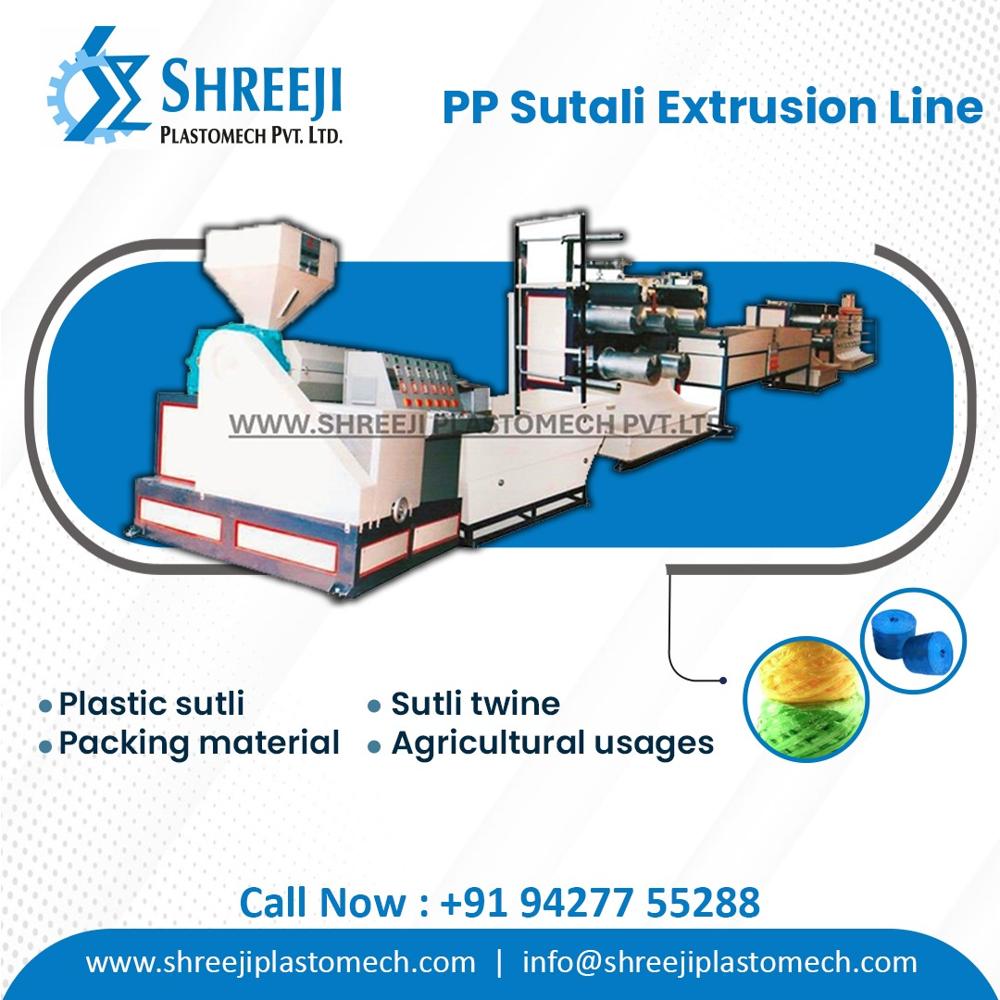
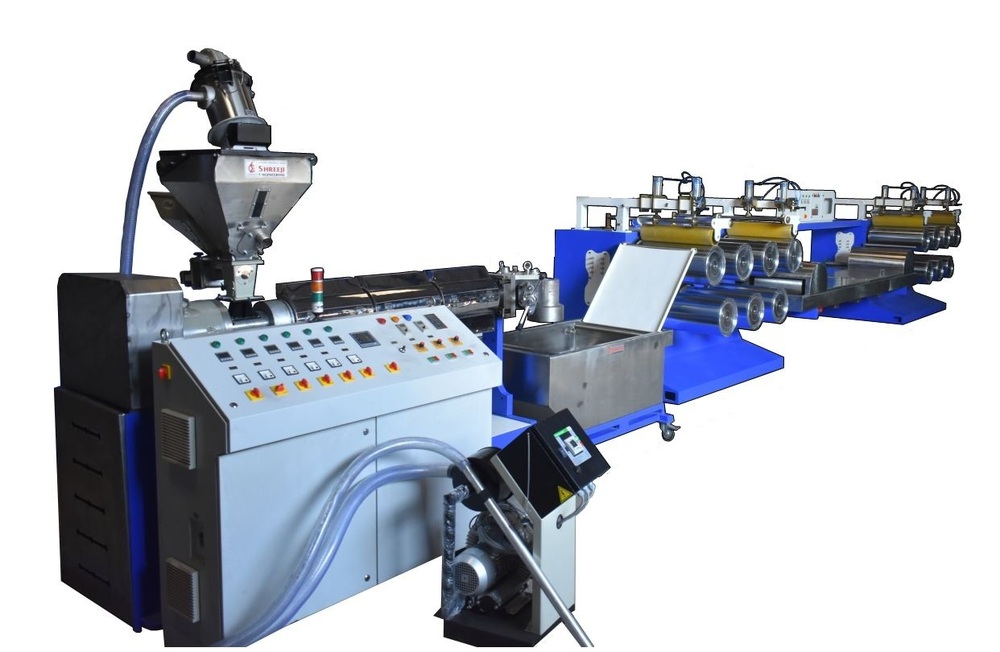
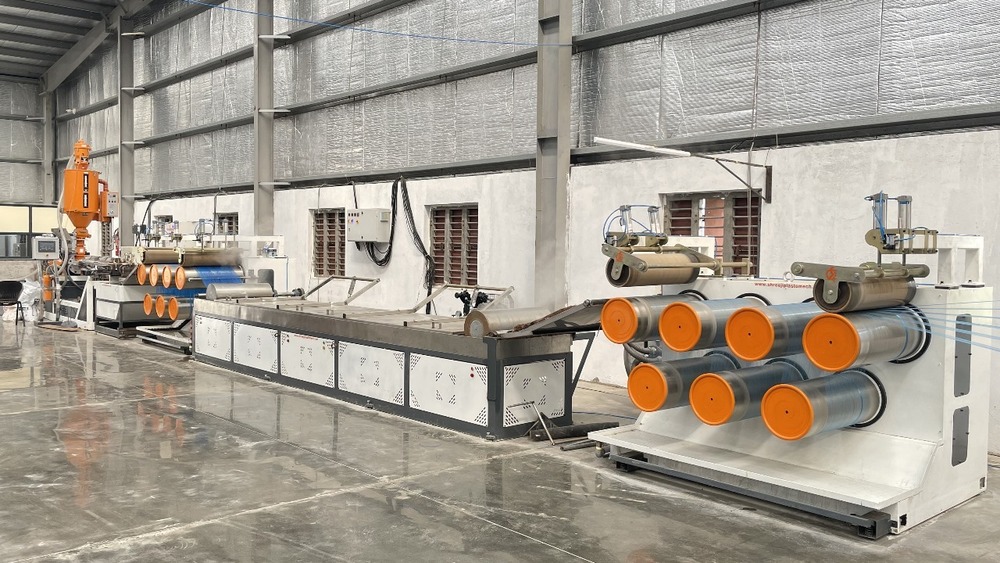
A PP Sutli plant is an industrial setup that extrudes polypropylene resin into continuous filaments, which are then processed into twine or string. The key components of these plants include:
- Extruder with T-die: Shapes the molten polymer into thin strands.
- Cooling system: Solidifies the extruded strands.
- Winding unit: Collects the solidified strands into coils or spools.
- Optional fibrillation unit: Enhances the texture of the twine for specific applications.
These plants can process both PP and HDPE (High-Density Polyethylene), offering versatility in production.
Advanced Control and Automation
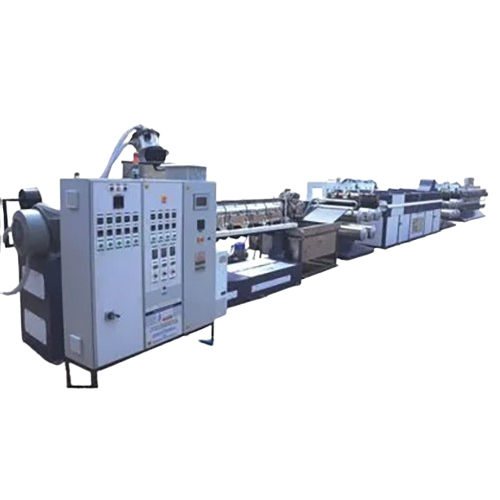
Equipped with a PLC-based control system and intuitive HMI interface, the extrusion plant supports both semi-automatic and fully automatic operations, allowing users to tailor the production process to their requirements. The computerized setup ensures easy monitoring and precise adjustments, improving efficiency and minimizing error rates.
Superior Build and Efficient Output
Built with sturdy construction and powder-coated finish, the PPS-100 Raffia Sutli Extrusion Plant features a high-efficiency motor (30-50 HP) and electronic tension controller for uniform winding. Its capacity ranges from 80-180 kg/hr, accommodating diverse industrial usage demands while maintaining up to 90% efficiency.
Safety and User-Friendly Design
Prioritizing operator safety, the plant is equipped with emergency stop features, overload protection, and safety covers. The design reduces required manpower-operable by a single/semi-skilled individual-while keeping noise levels below 85 dB and maintenance needs minimal.
FAQ's of PP raffia Sutli extrusion plant:
Q: How does the PP Raffia Sutli Extrusion Plant ensure consistent extrusion quality?
A: The plant achieves consistent quality through adjustable, high-precision die heads, 3-5 separate heating zones, a screen changer for impurity removal, and a combination of air and water cooling systems. These features maintain optimal processing conditions and uniformity in the final product.
Q: What type of polypropylene materials can be processed with this extrusion plant?
A: This plant is specifically designed to process PP (polypropylene) granules for making raffia sutli, string, or twine. It supports various grades of PP, providing versatility for applications in packaging, agriculture, and baling industries.
Q: Where is the extrusion plant typically installed, and what are the site requirements?
A: The plant is commonly installed in industrial environments such as manufacturing facilities or packaging units. A proper foundation is required to support its 2500-3500 kg weight, and onsite technician support for installation is available upon request.
Q: What is the process for starting up the machine and how long does it take?
A: Start-up involves electrical heating (with ceramic band heaters), loading PP material, and system calibration. It typically takes approximately 30 minutes to reach operating temperature and begin steady production-facilitated by the user-friendly HMI and PLC system.
Q: When should maintenance be performed, and what are the recommended checks?
A: Regular maintenance is advised to uphold efficiency and minimize downtime. Key checks include cleaning or replacing the screen changer, inspecting heating elements, monitoring tension controllers, and ensuring all safety features are operational.
Q: How does the dual winder system enhance production efficiency?
A: The plant includes both automatic and manual winders, enabling seamless shifts between the two modes. The electronic tension controller further ensures uniform winding, reducing material waste and improving production line efficiency.
Q: What are the main benefits of using the PPS-100 Raffia Sutli Extrusion Plant?
A: Key benefits include high production capacity (up to 3 tons/day), low manpower requirements, sturdy construction, consistent output, automated controls, comprehensive safety features, and minimal operating noise, making it ideal for continuous industrial operation.




 English
 Spanish
 French
 German
 Italian
 Chinese (Simplified)
 Japanese
 Korean
 Arabic
 Portuguese
 Send Inquiry
 Send Inquiry

